How Does Reflective Insulation Work? A Complete Guide
-
 admin
admin
- 14th July 2026
Reflective insulation is designed to control one of the three main modes of heat transfer: radiation. Instead of relying only on thickness to slow heat flow, it uses a low-emissivity surface—usually aluminum foil—to reflect radiant energy and reduce the amount of heat absorbed by an adjacent space.
This makes reflective insulation especially useful in roofs, wall cavities, metal buildings, warehouses, cold-chain packaging and industrial systems where radiant heat is a major part of the thermal load. However, its performance depends on correct product selection and installation. The foil surface normally needs to face an air space, and the complete assembly—not the material alone—determines the thermal result.
This guide explains how reflective insulation works, where it performs best, how it compares with conventional bulk insulation and what engineers, contractors and buyers should evaluate before choosing a system.
What Is Reflective Insulation?
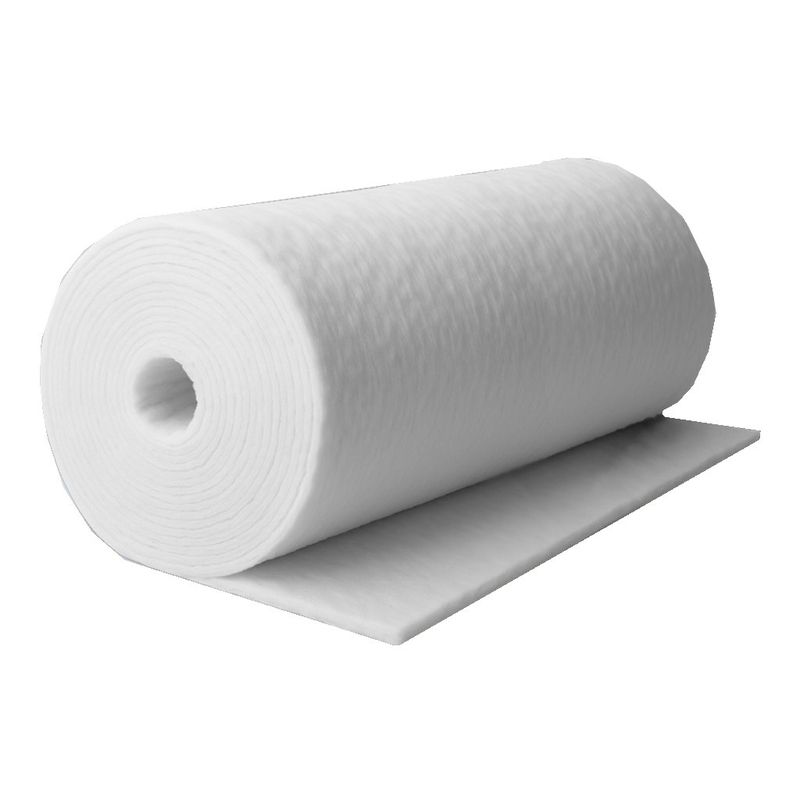
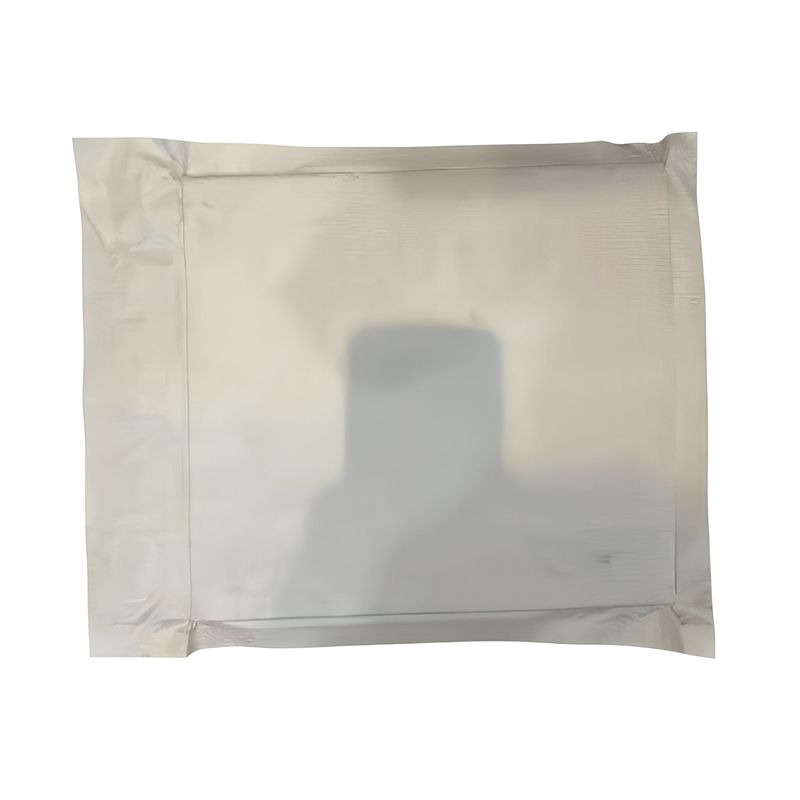
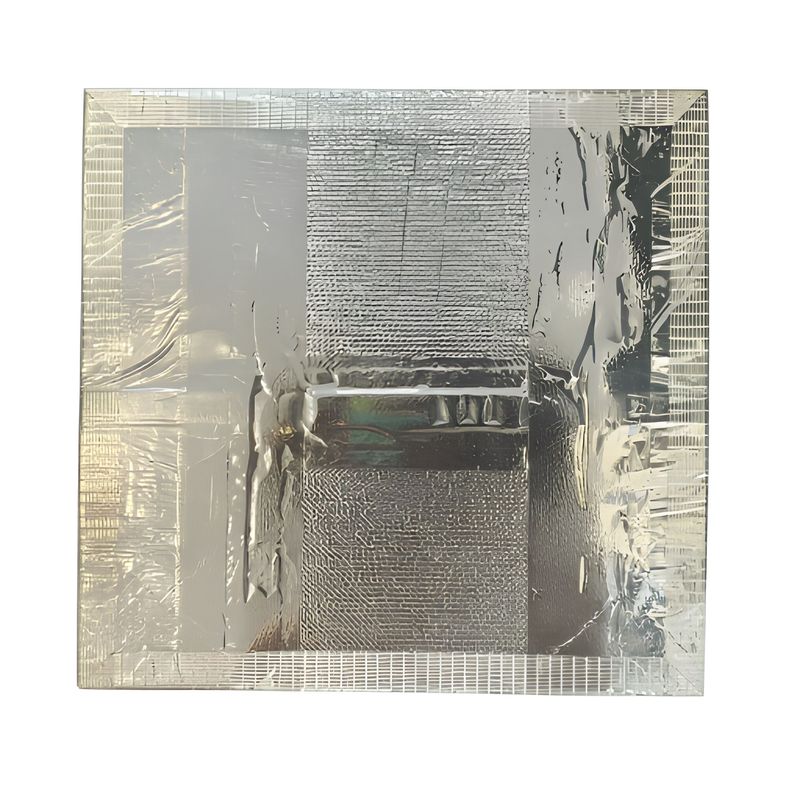
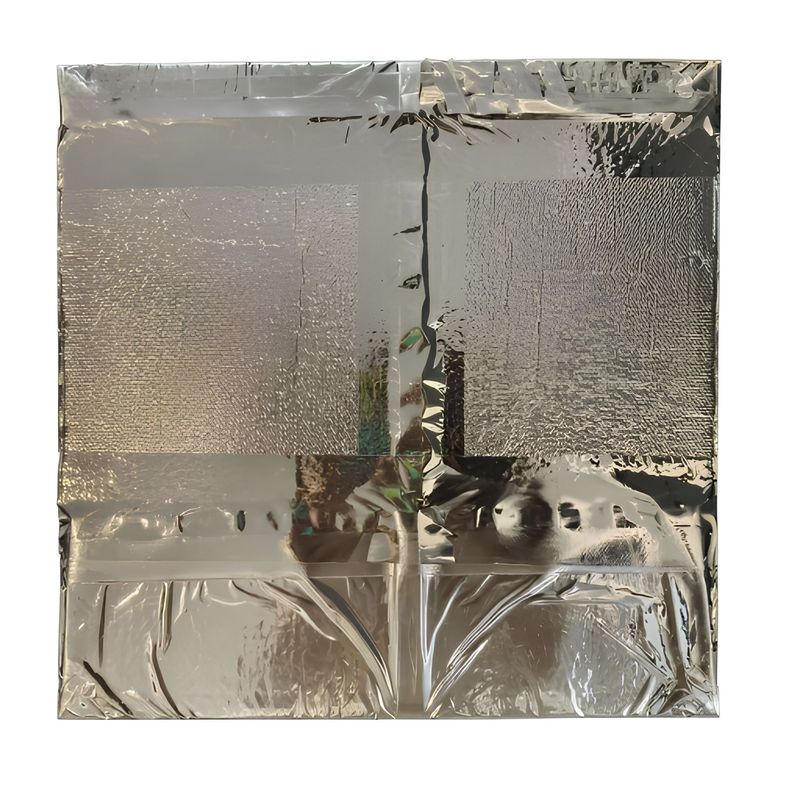
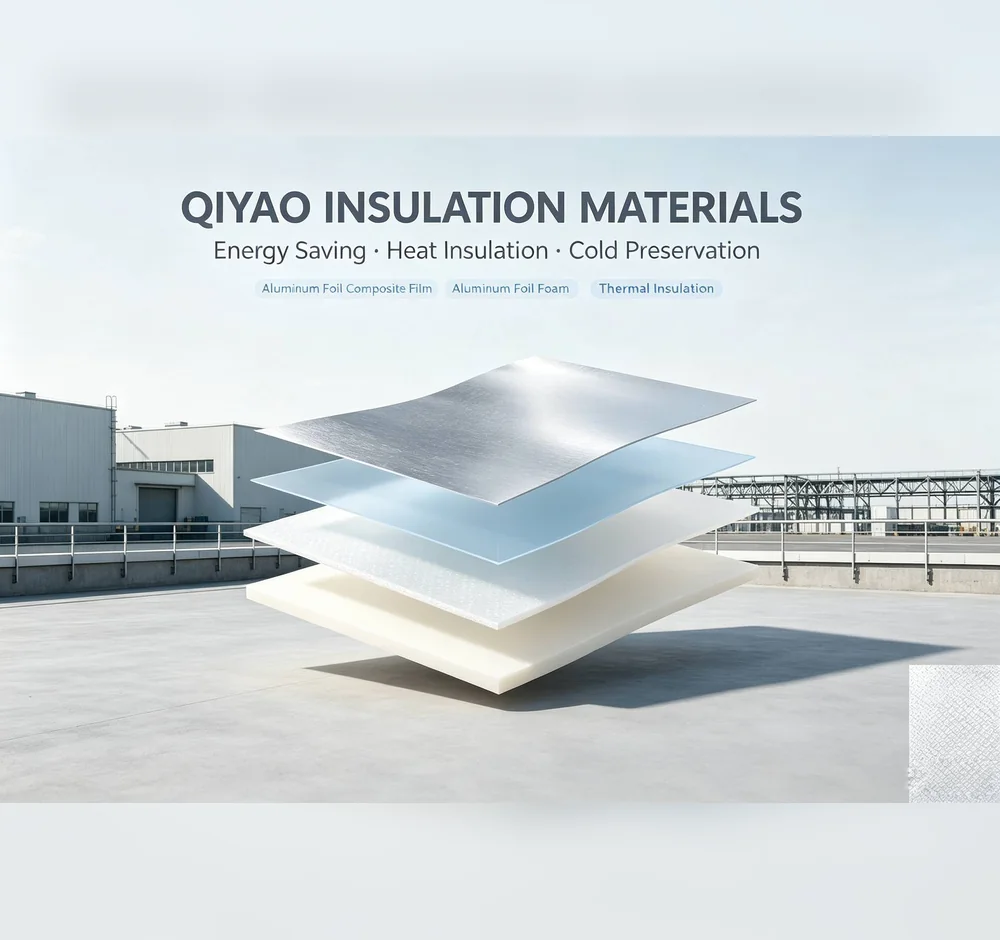
Reflective insulation is a thermal-control material that incorporates one or more highly reflective, low-emissivity surfaces. These surfaces are commonly made from aluminum foil and may be laminated to supporting layers such as polyethylene bubble film, foam, woven fabric, kraft paper or other barrier materials.
The supporting layer can add strength, spacing, cushioning, moisture resistance or additional resistance to conductive heat flow. Product constructions therefore vary widely. Some are thin radiant barriers, while others are multilayer reflective insulation systems designed for specific building, packaging or industrial applications.
For buyers, this distinction matters: “foil insulation” is not one universal product. The correct construction depends on the temperature range, environment, required mechanical strength, vapor-control needs, fire requirements and installation geometry.
How Heat Moves Through a Building or System
To understand reflective insulation, it helps to separate the three ways heat is transferred:
- Conduction: Heat travels through a solid material or between materials in direct contact. Fiberglass, mineral wool, foam and aerogel are commonly used to resist conductive heat flow.
- Convection: Heat moves through circulating air or fluid. Sealing uncontrolled air gaps and limiting air movement can reduce convective heat transfer.
- Radiation: Heat travels as electromagnetic energy between surfaces. A hot roof deck radiates energy toward cooler surfaces below it, even when the surfaces do not touch.
Reflective insulation is primarily intended to reduce radiant heat transfer. Many real assemblies experience all three modes simultaneously, which is why reflective products are often combined with air sealing and bulk insulation rather than treated as a replacement for every other insulation material.
How Reflective Insulation Works
1. A low-emissivity surface limits radiant heat transfer
Every surface absorbs and emits radiant energy. Shiny aluminum has low emissivity compared with many common building surfaces. When it faces an air space, it emits less radiant energy toward the opposite surface and reflects a large portion of incident radiant energy.
The practical result is lower radiant heat flow across that air space. In a roof assembly, for example, the reflective layer can reduce the radiant energy moving from a sun-heated roof deck toward the occupied space below.
2. The air space is part of the system
A common installation mistake is to sandwich the reflective face tightly between two solid materials. When there is no adjacent air space, heat can move through direct conduction, and the reflective surface cannot deliver its intended radiant-control benefit.
The size, orientation and ventilation of the air space affect system performance. Horizontal, vertical and sloped cavities can behave differently because convection changes with orientation. Always evaluate test data for an assembly that resembles the intended installation.
3. Multiple layers can create multiple reflective air spaces
Some products use bubble layers, foam cores or multilayer structures to create separation and reduce contact between surfaces. These constructions may address a combination of radiation, conduction, moisture and mechanical protection. Their performance should be judged using declared test results for the complete configuration rather than by appearance or thickness alone.
Reflective Insulation vs. Bulk Insulation
Reflective and bulk insulation materials solve different parts of the heat-transfer problem. Bulk materials such as fiberglass, mineral wool and rigid foam mainly resist conduction by trapping air or using a low-conductivity structure. Reflective insulation mainly controls radiation across an air space.
| Factor | Reflective insulation | Bulk insulation |
|---|---|---|
| Primary function | Reduces radiant heat transfer | Resists conductive heat transfer |
| Installation requirement | Reflective face generally needs an air space | Requires full, even coverage without compression or gaps |
| Typical thickness | Often thin and lightweight | Usually thicker to achieve higher thermal resistance |
| Moisture behavior | Some constructions can function as vapor or moisture barriers | Varies significantly by material and facing |
| Best approach | Useful where radiant heat is important or space is limited | Useful where conductive resistance is the main requirement |
In many projects, the best solution is a hybrid assembly. A reflective layer can reduce radiant heat gain while bulk insulation provides the required conductive resistance. The design should consider climate, energy code, condensation risk and the complete envelope rather than selecting a product from a single headline value.
Where Reflective Insulation Is Most Effective
Roofs and attics
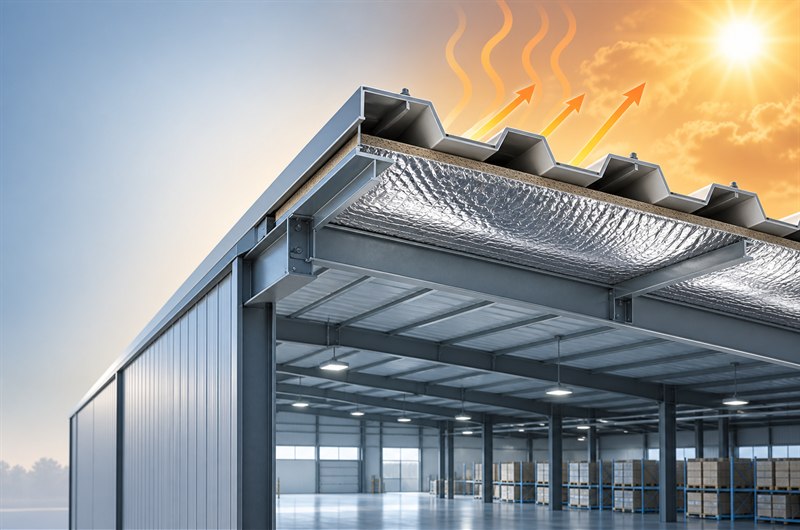
Roof surfaces can reach high temperatures under solar exposure. A reflective layer facing an attic or ventilated cavity can reduce downward radiant heat transfer. Performance is often most noticeable in warm and sunny conditions, although the complete roof design still determines annual energy results.
Metal buildings and warehouses
Metal roofs and walls respond quickly to outdoor temperature and solar radiation. Reflective insulation can provide radiant control, a clean interior facing and, depending on the construction, condensation or vapor management. Joints and penetrations must be detailed carefully to maintain continuity.
HVAC ducts and pipes
Reflective laminates can be used as facings or parts of insulation systems around ducts, pipes and equipment. The design must match the operating temperature, fire and smoke requirements, mechanical exposure and local codes.
Cold-chain packaging and logistics
Insulated pallet covers, box liners and thermal packaging often combine reflective foil with bubbles, foam or nonwoven layers. The reflective surface helps reduce radiant heat gain, while the supporting layers provide cushioning, trapped air and handling strength. The complete package should be validated under realistic transit duration, ambient temperature and payload conditions.
Industrial thermal protection
Equipment, process lines and transport systems may use reflective composites to manage radiant exposure and protect adjacent components. High-temperature applications require materials, adhesives and facings selected for the actual service temperature and environment.
Key Benefits
- Radiant heat control: Helps limit heat transfer across properly designed air spaces.
- Low weight and slim profile: Useful where installation space or transport weight is restricted.
- Flexible constructions: Foil can be laminated to bubble, foam, woven, paper or specialized barrier substrates.
- Moisture management options: Properly sealed products may contribute to vapor or moisture control when designed for that purpose.
- Easy handling: Many rolls and sheets can be cut and fitted with common installation tools.
- Compatibility with hybrid systems: Can complement fiberglass, foam, aerogel and other insulation types.
Important Limitations and Common Mistakes
Ignoring the air-space requirement
The reflective face should normally border an air space. If it is bonded directly between solid layers, the system behaves differently and should not be assigned the same performance as a tested air-space assembly.
Using an unverified R-value
Thermal resistance depends on the entire assembly, including the number and orientation of air spaces, heat-flow direction and surface temperatures. Ask suppliers whether a reported value applies to the material alone or to a defined system.
Leaving gaps or unsealed joints
Poorly sealed overlaps, edges and penetrations can allow air or moisture movement. Follow the specified overlap and tape method, and coordinate the reflective layer with the building’s air and vapor control strategy.
Allowing dust to cover the reflective surface
Dust and contamination can increase surface emissivity and reduce radiant performance. In exposed horizontal applications, consider how the reflective face will remain clean over the service life.
Overlooking fire and code requirements
A reflective appearance does not indicate fire performance. Verify applicable flame-spread, smoke-development or reaction-to-fire data, as well as local building-code requirements, before specification.
How to Select the Right Reflective Insulation
Use the following checklist when comparing products and suppliers:
- Define the application. Identify whether the material will be used in a roof, wall, duct, package, vehicle or industrial assembly.
- Map the heat-flow path. Determine where radiant transfer occurs and whether the reflective surface can face a stable air space.
- Confirm the temperature range. Review both normal operating temperature and short-term extremes.
- Evaluate the full construction. Consider foil thickness, substrate, reinforcement, adhesive, coating and sealing method.
- Request relevant test data. Compare results for configurations close to the intended installation.
- Check moisture and vapor needs. Determine whether permeability, water resistance or condensation control is required.
- Verify durability. Consider puncture, tear, delamination, corrosion, UV exposure and cleaning conditions.
- Confirm compliance. Review fire, environmental and building requirements for the target market.
- Plan installation details. Specify overlaps, tapes, fasteners, penetrations and interfaces with other envelope layers.
Installation Best Practices
- Install the reflective face toward the designed air space.
- Keep the surface clean, dry and free from unnecessary wrinkles or damage.
- Maintain continuous coverage at joints, corners and penetrations.
- Use compatible tapes, adhesives and fasteners recommended for the substrate and environment.
- Avoid compressing products when the construction relies on internal spacing.
- Coordinate with ventilation, air-barrier and vapor-control layers.
- Follow electrical safety requirements because aluminum facings are conductive.
- Use project-specific installation instructions and comply with local regulations.
Frequently Asked Questions
Does reflective insulation have an R-value?
A reflective insulation assembly can have a measured thermal resistance, but the result depends on the complete configuration. Air-space dimensions, orientation, heat-flow direction and boundary temperatures all matter. Compare R-values only when test conditions and assemblies are clearly stated.
Can reflective insulation replace fiberglass or foam?
Not in every application. Reflective insulation controls radiant heat, while fiberglass and foam mainly resist conduction. A hybrid solution is often more appropriate when a project needs both radiant control and substantial conductive resistance.
Which side should face outward?
The reflective face must face the air space it is intended to protect. That may be inward or outward depending on the assembly. If both sides are reflective, installation details still need to preserve the required air space and continuity.
Can it help control condensation?
Some reflective laminates have low vapor permeability and can be part of a condensation-control strategy. However, condensation depends on temperature, humidity, air leakage and layer position. A project-specific hygrothermal assessment may be necessary.
Is thicker reflective insulation always better?
No. Thickness alone does not determine radiant performance. Surface emissivity, air-space geometry, substrate properties, workmanship and test configuration can be more important. Select according to verified system performance.
Choosing a Reflective Insulation Partner
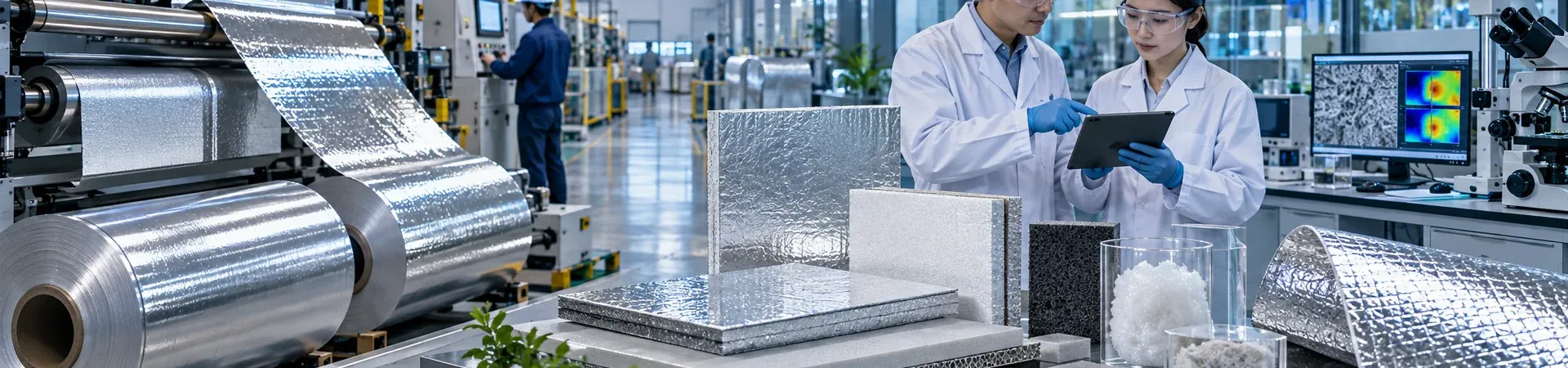
Reliable results begin with a product construction matched to the application. Hangzhou Qiyao New Material supplies reflective insulation materials and foil facings and barrier materials for building, cold-chain and industrial uses. Our team can support material selection, laminate structure development and application-specific requirements.
If you are evaluating a new insulation system, send us the intended application, temperature range, dimensions, installation method and required standards. Contact Qiyao New Material to discuss a suitable solution or request samples.